


Can Stress Cause Digestive Problems in Dogs and Cats? Understanding the Gut-Brain Axis
Veterinary Hospital
Digestive issues in dogs and cats can have many causes, including dietary changes, illness, and environmental stress. While stress is not always the underlying cause, it is an important factor to consider when evaluating changes in your pet's digestive health and behavior.
Dogs may become anxious when left alone for extended periods or separated from their owners. Cats, meanwhile, may feel stressed by moving to a new home, rearranged furniture, unfamiliar visitors, or the arrival of another pet.
Because pets cannot explain how they feel, recognizing changes in their behavior, appetite, and bowel movements can help owners identify potential concerns early.
Excessive barking, repetitive licking, hiding, reduced social interaction, and decreased appetite may indicate stress. When vomiting or diarrhea occurs alongside these changes, it is important to assess the pet's overall health rather than assuming that anxiety is the only cause.
The gut is more than a digestive organ. It also communicates with the brain through a complex network of nerves, hormones, immune signals, and microbial metabolites. This two-way communication system, known as the gut-brain axis, helps connect digestive function with the body's stress response.
So, can dog anxiety cause digestive problems? How are gut bacteria related to pet behavior? And what can pet owners and pet supplement brands do to support digestive health?
Let's explore the gut-brain axis, common stress symptoms in dogs and cats, practical care strategies, and the role of nutritional management.
What Are the Common Signs of Stress in Dogs and Cats?
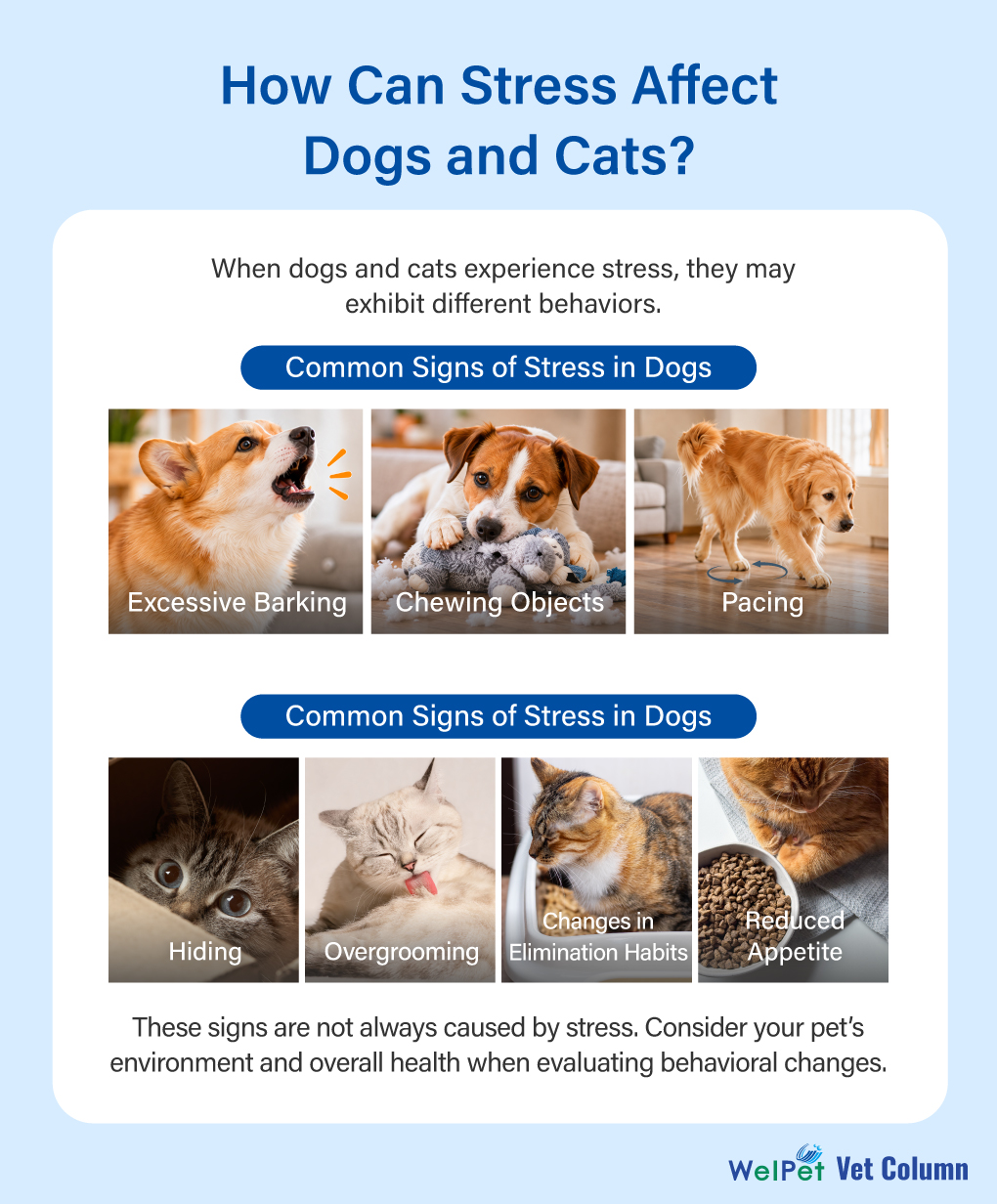
Stress can affect dogs and cats in different ways. Recognizing behavioral changes and possible digestive symptoms can help owners determine when further assessment may be needed.
Common Signs of Stress in Dogs
Dogs experiencing stress or anxiety may show signs such as:
- Excessive barking or whining
- Destructive chewing
- Pacing or restlessness
- Repetitive licking
- Changes in appetite
- Vomiting or diarrhea in some cases
Cats may show more subtle signs of stress, including:
- Hiding more frequently
- Excessive grooming
- Reduced interaction with family members
- Decreased appetite
- Changes in litter box habits
- Vomiting or diarrhea in some cases
What Causes Stress in Pets?
Common stressors include separation from owners, loud noises such as thunder or fireworks, construction noise, changes in household routines, moving to a new home, and the introduction of unfamiliar people or animals.Insufficient access to fresh water, comfortable resting areas, hiding spaces, or appropriate litter box facilities may also contribute to stress.
The first step is to identify potential triggers and provide a predictable, comfortable environment. Avoid punishment or forcing a pet to confront situations that frighten it.
Monitor appetite, bowel movements, activity levels, and social behavior. If vomiting recurs, diarrhea persists, appetite drops significantly, or behavioral changes worsen, consult a veterinarian promptly.
What Is the Gut-Brain Axis in Dogs and Cats?
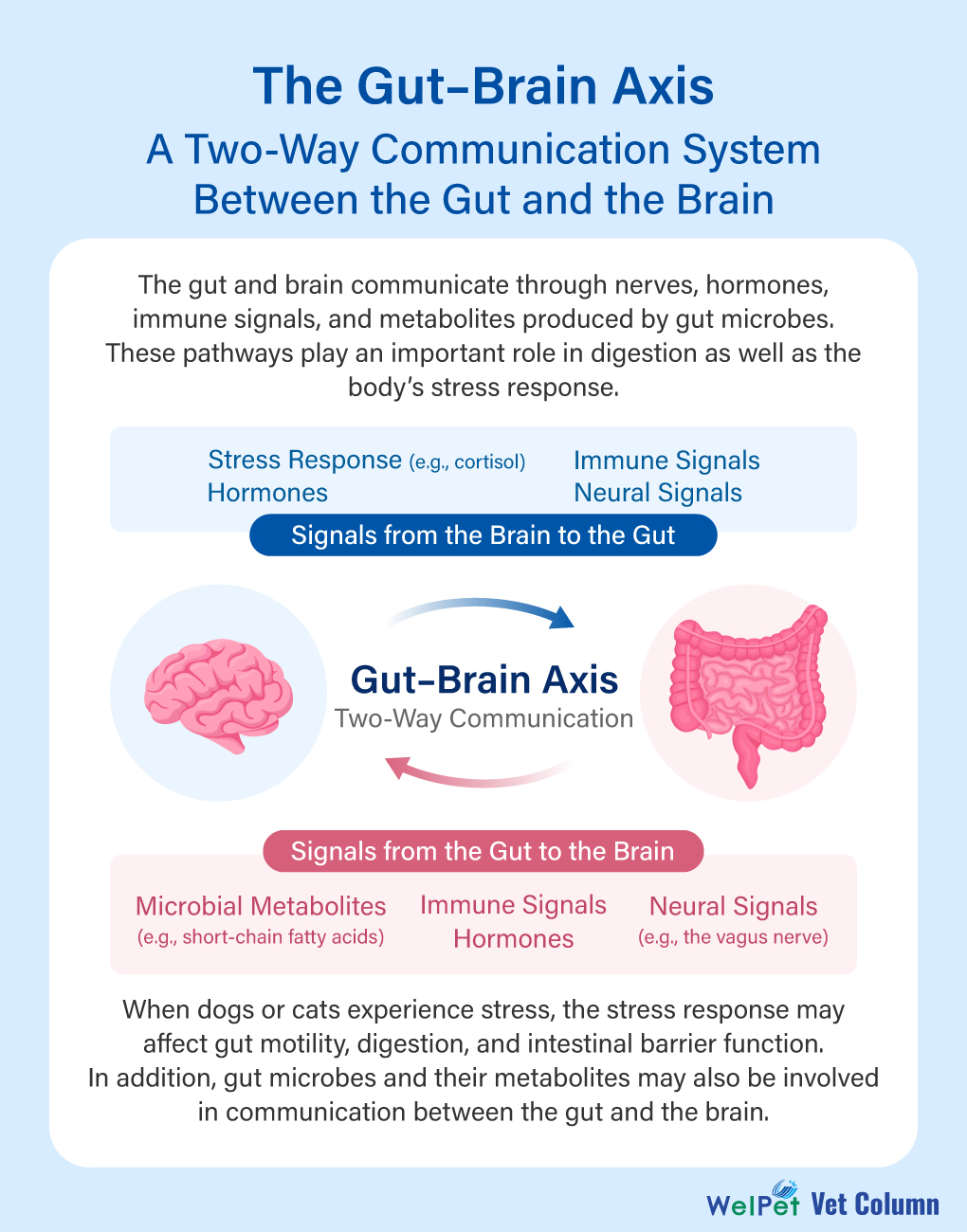
The gut-brain axis is a bidirectional communication network between the gastrointestinal tract and the brain. It involves several pathways, including the nervous system, hormones, immune signaling, and substances produced by gut microorganisms.
These pathways help regulate digestive processes and participate in the body's response to stress.
How Can Stress Affect Digestive Health?
When a dog or cat experiences stress, the body's stress response may influence intestinal movement, digestive function, and the intestinal barrier. Depending on the individual animal and the circumstances, these changes may be accompanied by gastrointestinal symptoms.The relationship also works in the opposite direction. Gut microorganisms and their metabolites participate in communication between the intestines and the brain, making the gut microbiome an important area of ongoing research.
However, the relationship between the gut microbiome and emotional health in dogs and cats is complex. Current evidence does not establish that an imbalanced gut microbiome directly causes anxiety in every pet, nor does it mean that all digestive problems are stress-related.
For this reason, digestive health should be considered alongside diet, the home environment, behavioral changes, and overall medical condition.
If a dog develops digestive discomfort or a cat experiences changes in appetite or bowel movements following an environmental change, owners should investigate possible causes and seek veterinary advice when appropriate.
How to Help Reduce Stress in Dogs and Cats
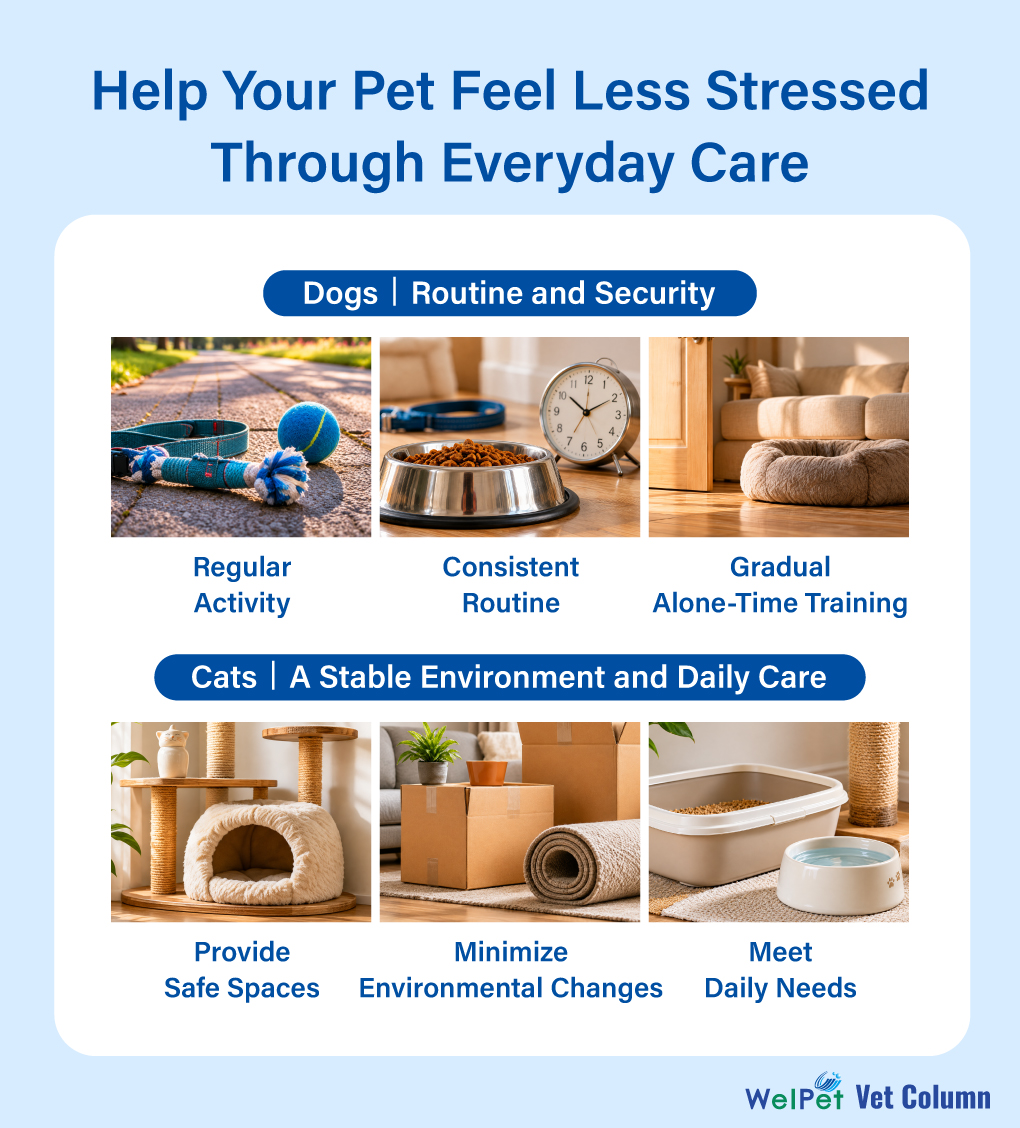
Supporting a pet's emotional well-being involves more than addressing individual symptoms. Environmental management, consistent routines, appropriate interaction, and regular health monitoring all play important roles.
If anxiety significantly interferes with eating, sleeping, or everyday activities, seek guidance from a veterinarian or a qualified animal behavior professional.
Stress Management Tips for Dogs
1. Provide Regular Exercise and Enrichment
Schedule walks, play sessions, and sniffing activities that allow dogs to explore their surroundings and meet their physical and behavioral needs.
2. Maintain a Consistent Routine
Regular feeding, walking, and resting schedules can help create a more predictable environment.
3. Gradually Build Comfort with Being Alone
Begin with short periods of separation that the dog can tolerate, then increase the duration gradually. Dogs showing severe separation-related distress may need professional behavioral support.
Stress Management Tips for Cats
1. Create Safe and Comfortable Spaces
Provide quiet resting areas, hiding places, and elevated spaces where cats can retreat when they need privacy.
2. Introduce Environmental Changes Gradually
When moving, changing furniture, replacing familiar items, or introducing a new household member, make adjustments in stages whenever possible. Retaining familiar scents and belongings may help cats adjust.
3. Provide Adequate Daily Resources
Ensure that cats have access to clean drinking water, appropriately located and maintained litter boxes, comfortable resting areas, and opportunities for play and exploration.
How to Choose Pet Supplements for Digestive Health and Daily Wellness
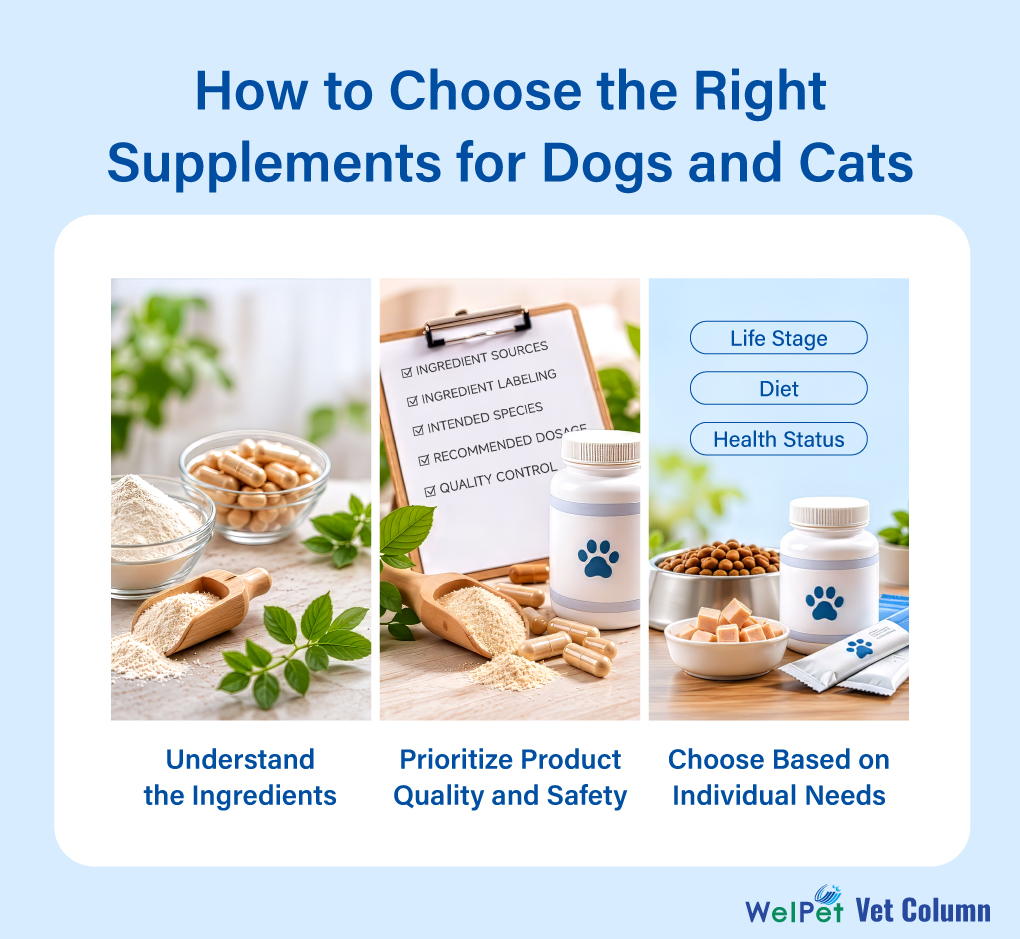
Pet supplements may complement a broader nutritional management plan, but they should not replace veterinary assessment, appropriate treatment, or environmental management.
When selecting supplements for dogs and cats, consider the animal's age, lifestyle, diet, health status, and individual nutritional needs.
1. Understand the Ingredients
Ingredients such as tryptophan, B vitamins, and specific probiotic strains have different physiological functions.
Before choosing a product, review its intended use, suitability for dogs or cats, recommended dosage, and available scientific evidence. No single ingredient should be treated as a guaranteed solution for anxiety or digestive disorders.
For probiotic products, the specific strain, formulation, viable count, product stability, and supporting evidence are important considerations.
2. Evaluate Formulation and Product Quality
Look for transparent ingredient labeling, appropriate species-specific formulations, reliable raw material sourcing, and clear usage instructions.
Avoid giving pets human supplements without veterinary guidance, as ingredients and dosages suitable for people may not be appropriate for animals.
3. Match Supplementation to Individual Needs
Nutritional requirements vary according to age, diet, lifestyle, and health status. Avoid unnecessary duplication of ingredients across multiple products.
Consult a veterinarian before introducing supplements when a pet has an existing medical condition or is receiving medication.
4. Monitor Your Pet's Response
After introducing a supplement, monitor appetite, bowel movements, and daily behavior. If unusual changes occur, stop making further adjustments on your own and consult a veterinarian.
Remember that supplements are intended to support appropriate nutritional management, not to diagnose or treat the underlying cause of persistent gastrointestinal symptoms.
Pet Supplement OEM/ODM: Developing Products for Digestive Health and Daily Wellness
As pet owners become increasingly interested in nutrition and preventive care, digestive health and daily wellness present opportunities for pet supplement brands to develop products that meet specific market needs.
For brands exploring new product categories, working with an experienced pet supplement manufacturing partner can help turn a product concept into a clearly defined development plan.
Welpet offers pet supplement contract manufacturing and OEM/ODM services, covering raw material selection, formulation design, product development, and manufacturing. These services help brands evaluate product concepts according to their positioning, target customers, and market requirements.
For businesses considering pet probiotics or other daily nutritional supplements, formulation goals, intended animal species, ingredient specifications, and product format can all be considered during the development process.
A well-planned product development strategy should balance market demand with ingredient suitability, product quality, transparent labeling, and appropriate scientific support.
Whether a brand is exploring digestive health supplements, probiotic formulations, or other daily pet nutrition products, a structured OEM/ODM development process can help establish a clearer path from concept to product launch.
FAQ
Can Stress Cause Diarrhea in Dogs?
Stress may affect intestinal movement and digestive function in some dogs, potentially contributing to diarrhea. However, diarrhea can also result from dietary changes, infections, parasites, and other medical conditions. Persistent or severe diarrhea warrants veterinary attention.
Can Stress Cause Vomiting in Cats?
Stress may be associated with digestive changes in cats, but vomiting has many possible causes. Repeated vomiting, reduced appetite, lethargy, or other concerning signs should be evaluated by a veterinarian.
What Is the Gut-Brain Axis in Pets?
The gut-brain axis is the two-way communication network connecting the gastrointestinal tract and the brain. It involves neural, hormonal, immune, and microbial signaling pathways that participate in digestive function and the stress response.
Can Probiotics Support Digestive Health in Dogs and Cats?
Certain probiotic strains may support specific aspects of gastrointestinal health, depending on the strain, formulation, animal, and intended use. Benefits should be evaluated based on evidence for the particular product rather than assumed for all probiotics.
What Should Brands Consider When Developing Pet Probiotic Supplements?
Brands should evaluate the intended species, target application, probiotic strain selection, viable count, formulation compatibility, stability, manufacturing quality, and available scientific evidence. An experienced OEM/ODM partner can help assess formulation and manufacturing requirements.


11 Essential Amino Acids for Cats: Taurine, Arginine & Lysine
Cats require 11 essential amino acids, including taurine, arginine, lysine, leucine, isoleucine, valine, histidine, methionine, phenylalanine, threonine, and tryptophan, which need to be obtained through their daily diet. Among these, taurine is an especially important nutrient for cats; arginine is involved in protein and nitrogen metabolism; and lysine is an essential component of proteins. Understanding the basic roles of these essential amino acids can help cat owners make more informed choices when selecting cat food and nutritional supplements, while better understanding their cats’ daily nutritional needs.

Does a Tumor in a Dog Mean Cancer? Signs, Cancer Risk, Diet & Nutritional Support
Tumors in dogs can develop in many parts of the body, including the skin, lymphatic system, mammary glands, bones, and internal organs. Common types of tumors and cancers in dogs include lymphoma, mast cell tumors, mammary tumors, osteosarcoma, and hemangiosarcoma. Some dog tumors are relatively easy to notice because they appear on or beneath the skin. Others develop internally and may not cause obvious signs during the early stages.